
From Design to Delivery
We collaborate with homeowners, designers, builders, and architects to create hardwood surfaces designed for long-term performance.
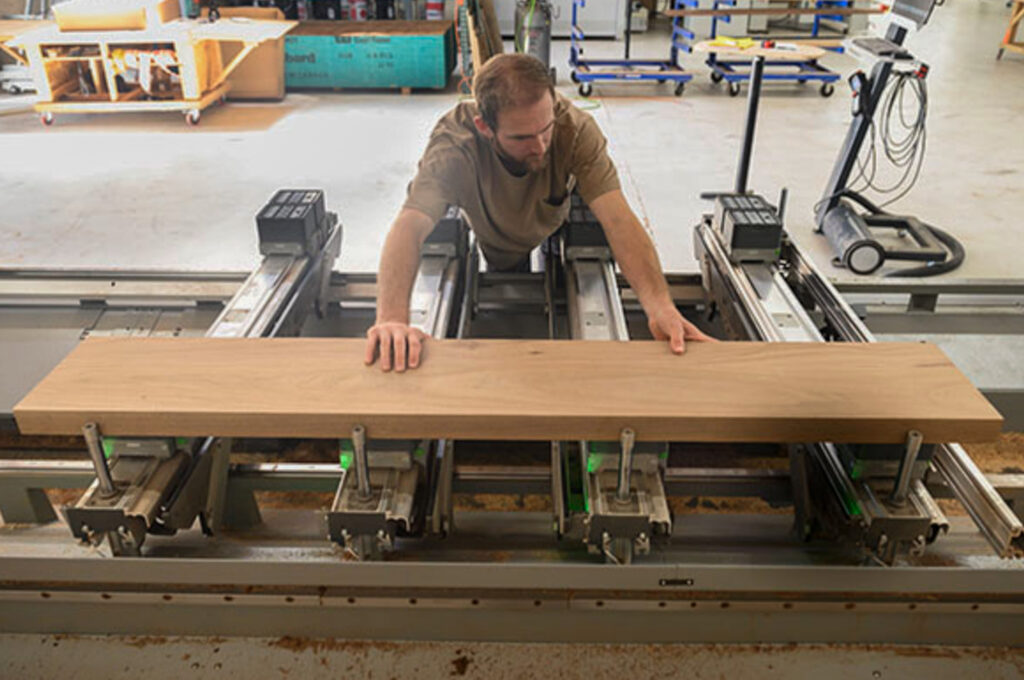
Designed for the Space It Lives In
Every project starts with the space, the people using it, and the conditions the surface will live in.
We work with homeowners, designers, builders, architects, and hospitality teams to create hardwood surfaces designed specifically for their environment and intended use. That may include kitchen islands, dining tables, integrated countertop systems, reception desks, or architectural installations.
Because these surfaces become part of the space long-term, material selection, construction methods, finish systems, and installation planning all matter.
No two projects are identical, and the process reflects that.
What We Make
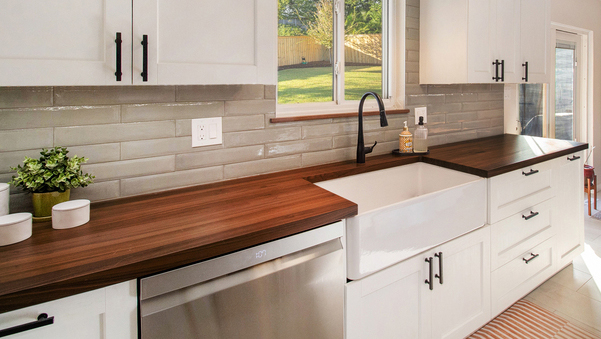
Hardwood Countertops
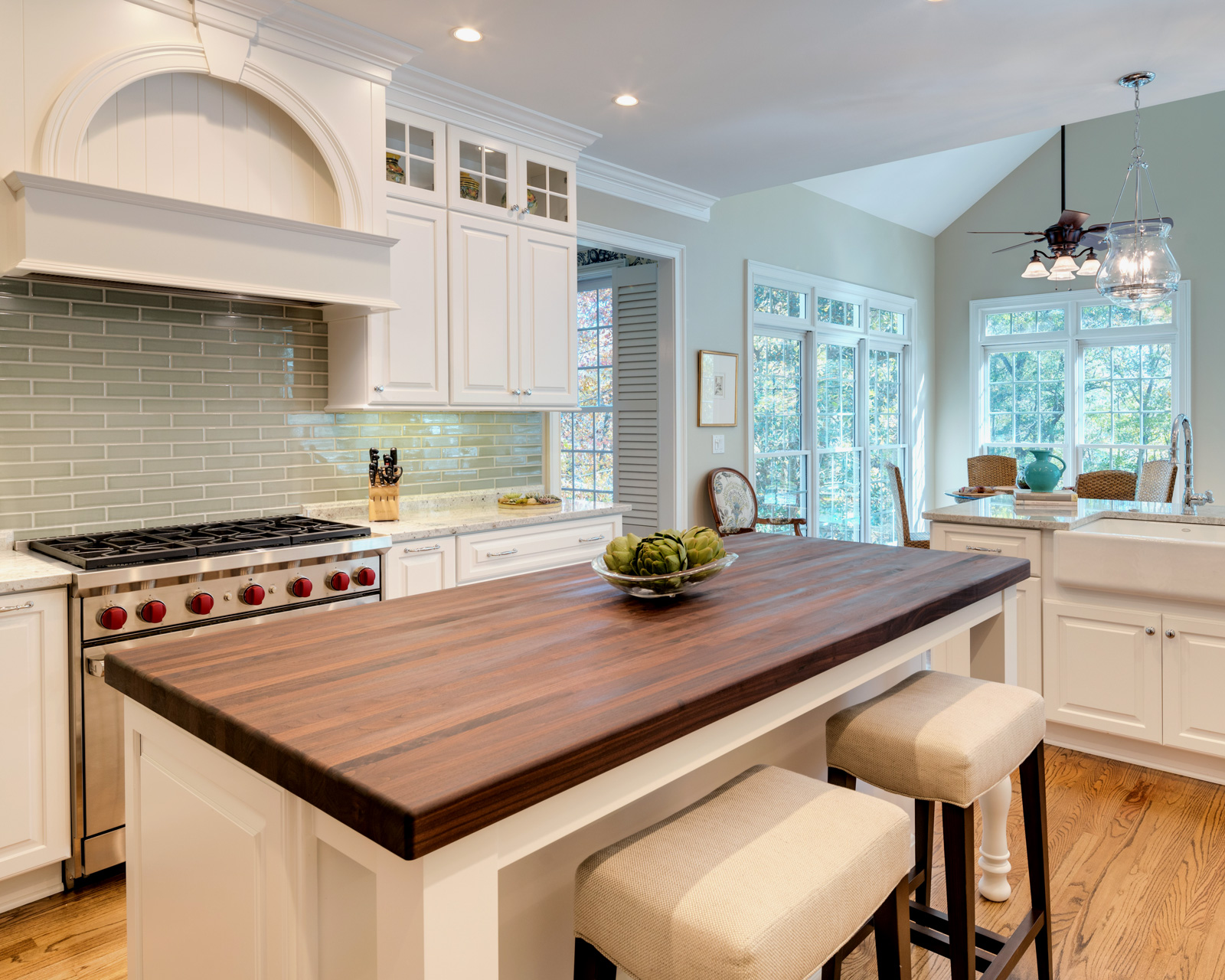
Kitchen Islands
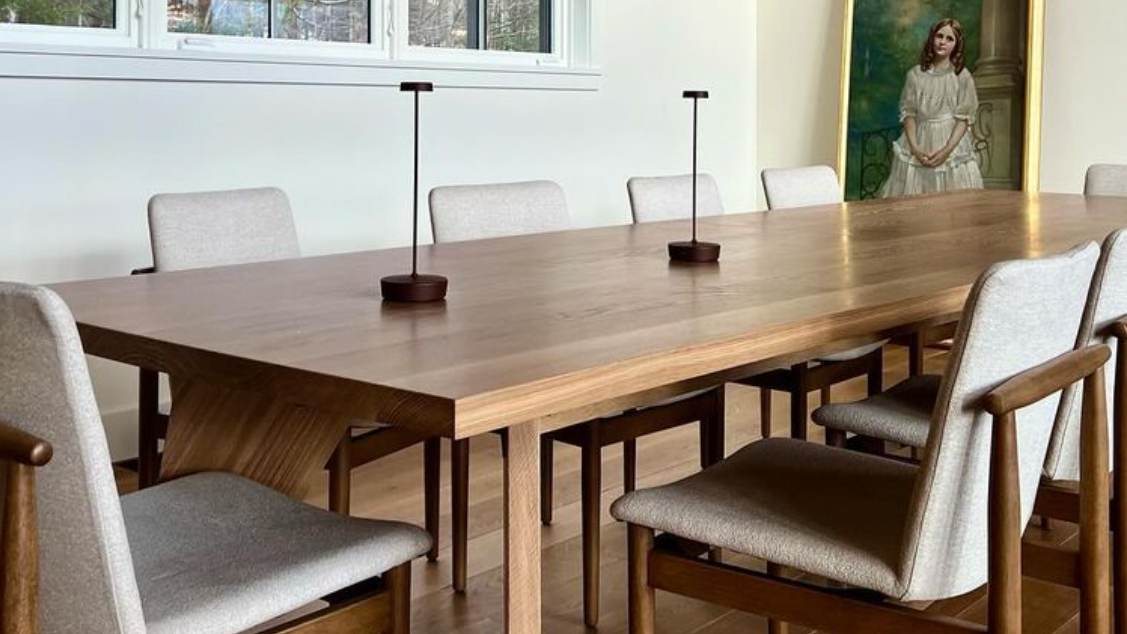
Dining & Specialty Tables
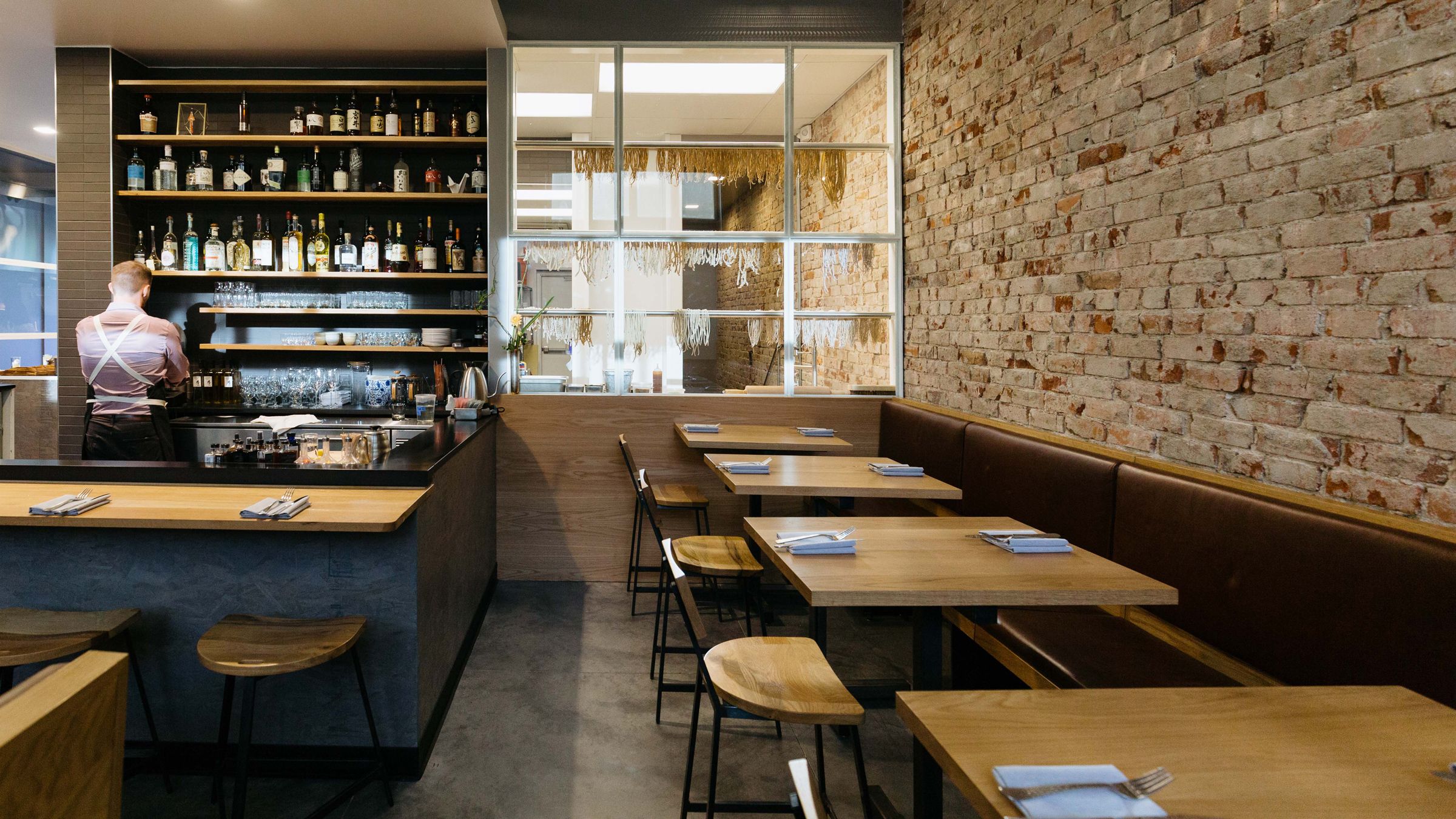
Hospitality Surfaces
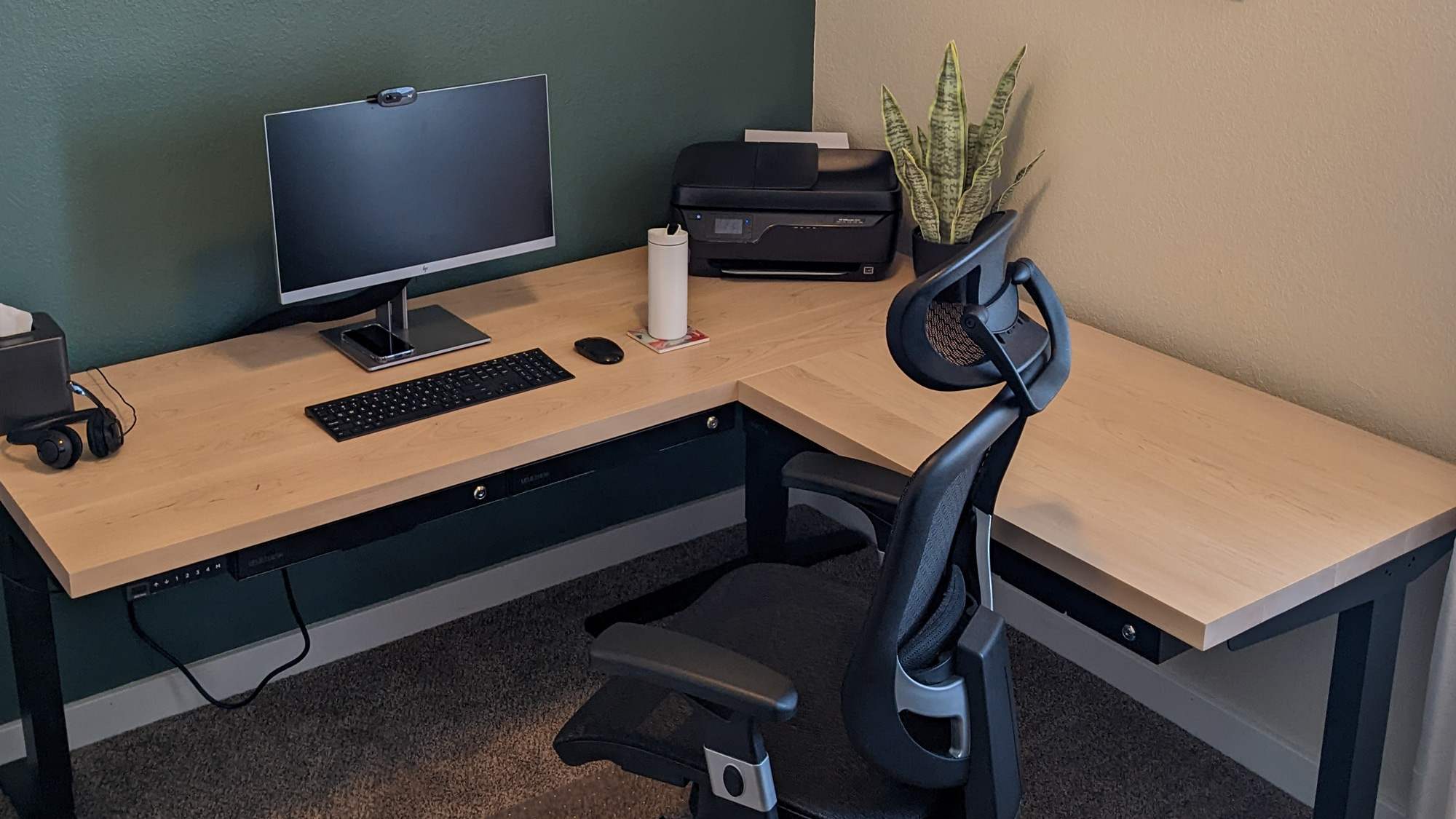
Desks & Workspaces
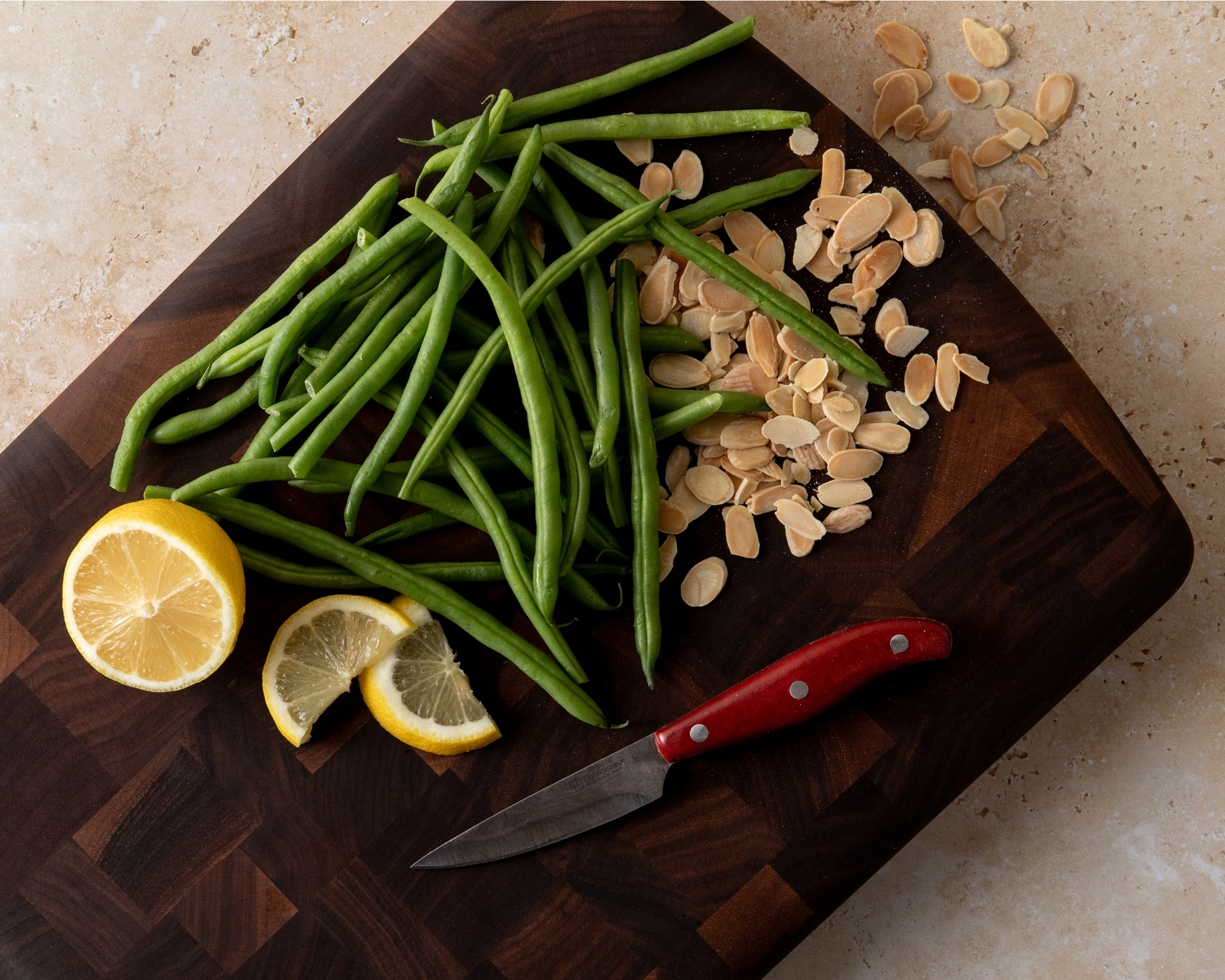
Cutting & Serving Boards
Species, construction methods, edge details, finish systems, and installation considerations are selected based on the actual demands of the space and how the surface will be used.
Our Approach
1. Initial Conversation
Every project starts with the fundamentals:
This stage helps determine whether solid hardwood is appropriate for the application and identifies any technical considerations that should be addressed early.
2. Design & Pricing
Once the project direction is established, we develop pricing and review the details that affect fabrication, installation coordination, and long-term performance.
This may include:
Some projects require additional coordination, drawings, prototypes, or site review before final pricing can be confirmed.
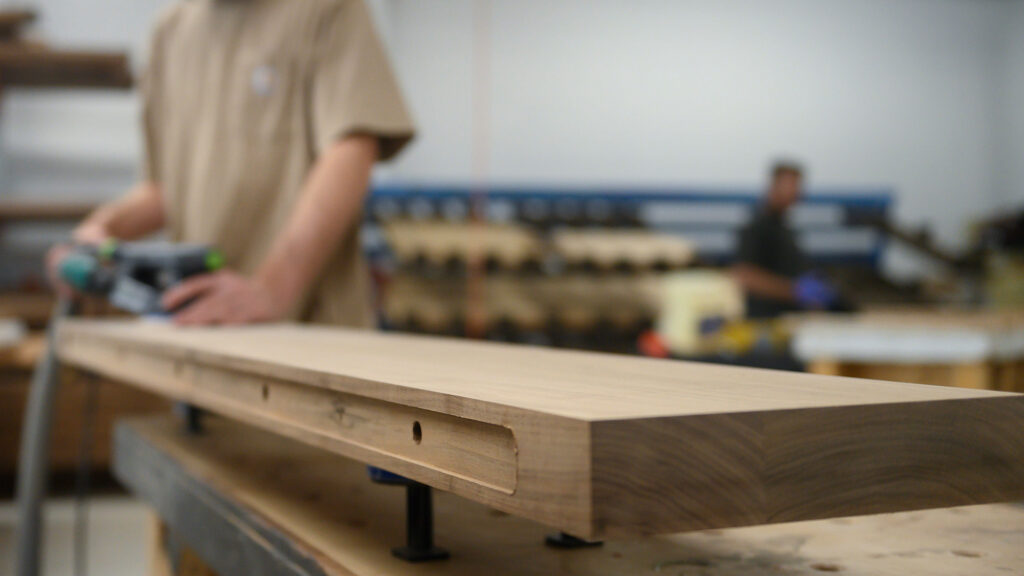
3. Project Approval & Deposit
Once project specifications, pricing, and scope are approved, a deposit is required before production scheduling can begin.
For certain projects, custom samples, finish testing, prototypes, or mockups may also be developed prior to final fabrication.
4. Final Design Review & Approval
Before final fabrication begins, final project details are reviewed and approved.
Depending on the project, this may include:
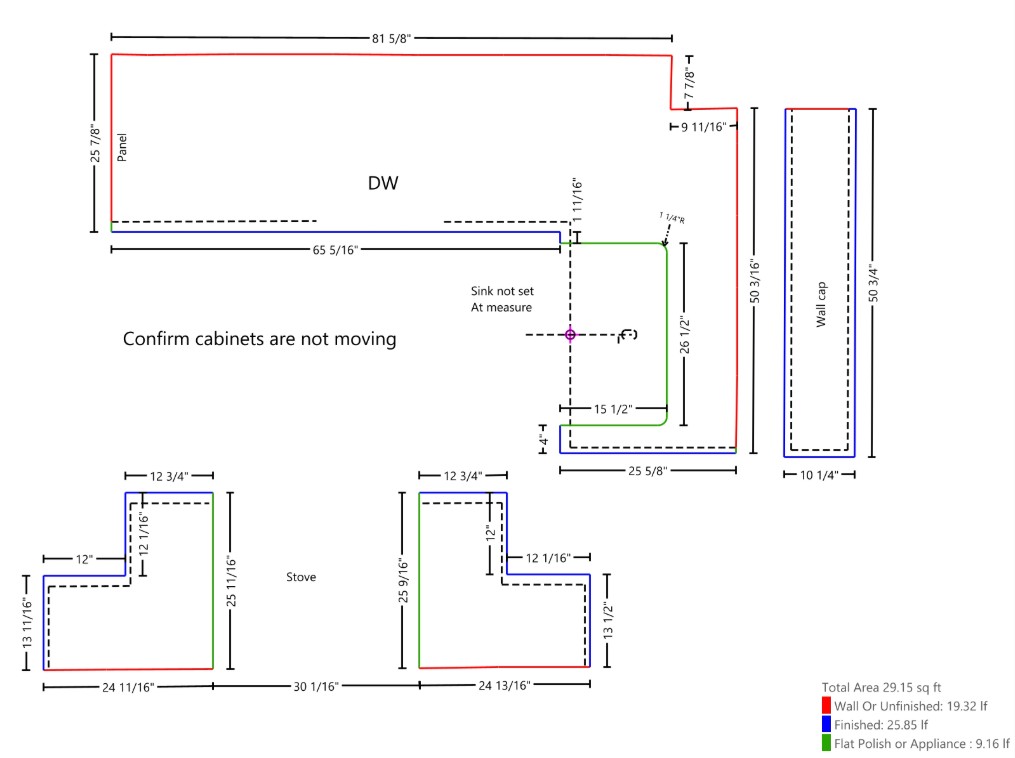
Approval at this stage is important to help avoid downstream changes, delays, or field conflicts.
5. Fabrication
Each project is fabricated from carefully selected hardwoods using construction methods appropriate for the application.
Because wood is a natural material, variation in grain, mineral streaking, knots, color, and figure is expected. During production, we may contact clients regarding specific material characteristics or aesthetic decisions, particularly where natural variation may affect the final appearance.
Some clients prefer cleaner, more uniform selections. Others prefer stronger natural character. Communication during fabrication helps align the finished work with the goals of the project.
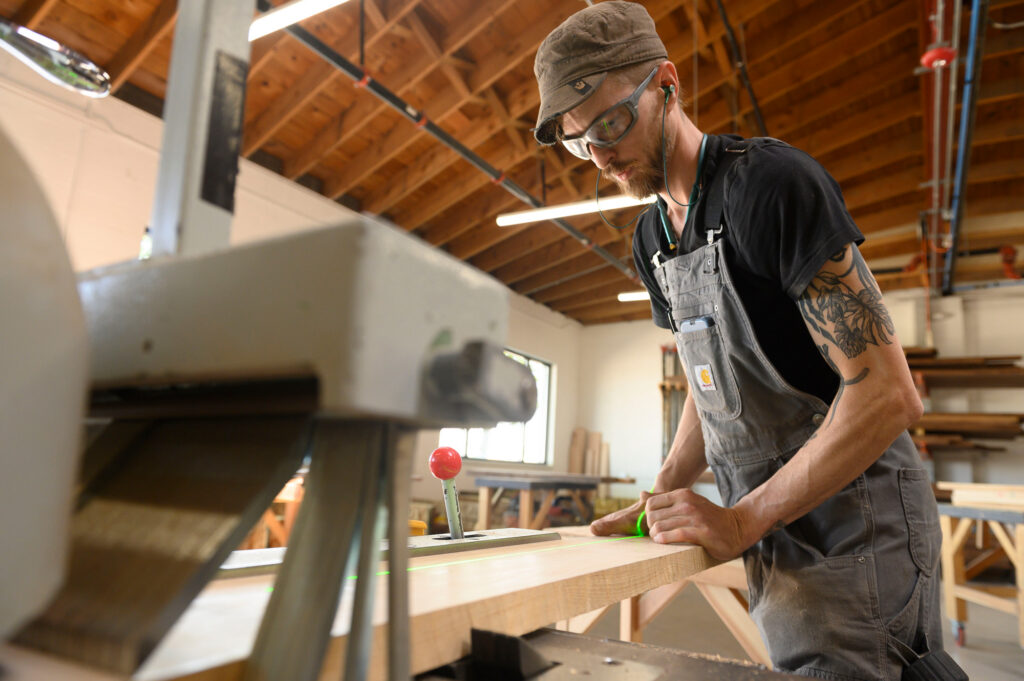
While we work hard to maintain projected timelines, quality and long-term performance take priority over rushing material through production.
6. Delivery Coordination
Solid wood surfaces should arrive when the site is ready to receive, acclimate, and install them properly.
We coordinate delivery timing with clients, builders, or installers to help ensure:
If a project site is not ready at the scheduled completion time, we are generally able to store completed work in our climate-controlled facility temporarily. Storage extending beyond two weeks may be subject to additional fees.
For unfinished pieces, we coordinate shipping schedules carefully to minimize unnecessary transit exposure, including avoiding extended weekend holds and major weather events whenever possible.
Wood surfaces left uninstalled for extended periods or exposed to uncontrolled environments may experience movement or performance issues that can affect warranty coverage.
7. Installation Support
We do not perform installations.
Installation is typically handled by the client, contractor, cabinet team, finish carpenter, or other designated installer. Because solid wood surfaces require appropriate fastening methods, movement allowances, support conditions, and environmental considerations, we remain available throughout the installation process to help answer questions and coordinate details as needed.
Successful installations depend on proper site conditions, careful handling, and installers who understand the requirements of solid wood.
What to Expect
Clear Communication
We use a dedicated production management system to track projects throughout fabrication and scheduling.
Clients receive status updates as projects move through production, and we are always available by phone or email if additional coordination or updates are needed.
Real Materials
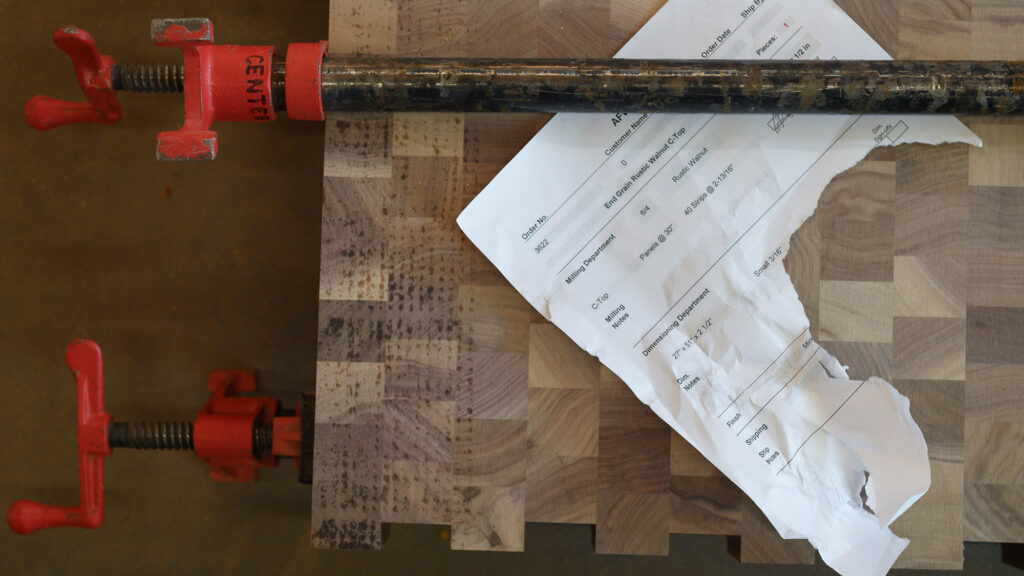
Solid wood is a natural material, not a manufactured pattern.
Variation in grain, texture, color, movement, and figure is normal and expected. Some finishes and treatment systems — particularly highly specialized commercial-grade systems — may also require additional production attention, testing, or scheduling flexibility.
Good outcomes depend on thoughtful material selection, proper environmental conditions, realistic expectations, and careful coordination throughout the process.
Request a Consultation
If you're planning a residential, hospitality, or commercial project involving hardwood surfaces, we help evaluate scope, material selection, technical requirements, and feasibility early in the process.
Project Consultation
Share project details, dimensions, drawings, finish preferences, or reference imagery. We review each inquiry to determine scope, coordination requirements, and material suitability.
Material Samples
Order hardwood samples to evaluate species, grain, color, texture, and finish options within your space and lighting conditions.


